
It seems like a rite of passage in the endurance world, and it finally happened to me in March. Fatigue. After a solid stretch of performance, time and erosion came knocking at my door.
I believe it began after the ABC 50-miler, where I failed to properly recover before jumping back into training. In those small decisions, I was unwittingly making my bed. My legs never fully rebounded during that training block. I could still hit my target times, but everything demanded significantly more effort.
After the BC 50K, I finally decided to listen to my body. I reduced mileage and restructured my volume approach. Despite these adjustments, fatigue persisted. I dropped race distances, yet it still clung to me. Only after these races did I discover the culprit: a low-grade respiratory/sinus infection severely limiting my breathing capacity. What I had interpreted as needing to work harder was actually my body struggling for oxygen.
Remarkably, both races went well despite these challenges. I won both—always a welcome bonus. The 10K passed in a blur; I finished with energy reserves untapped, attempting but not quite succeeding to empty the tank in the final mile. The half marathon was much more strategic: I made calculated decisions, paced deliberately, and although I still finished with more to give, it felt like a complete performance from start to finish.
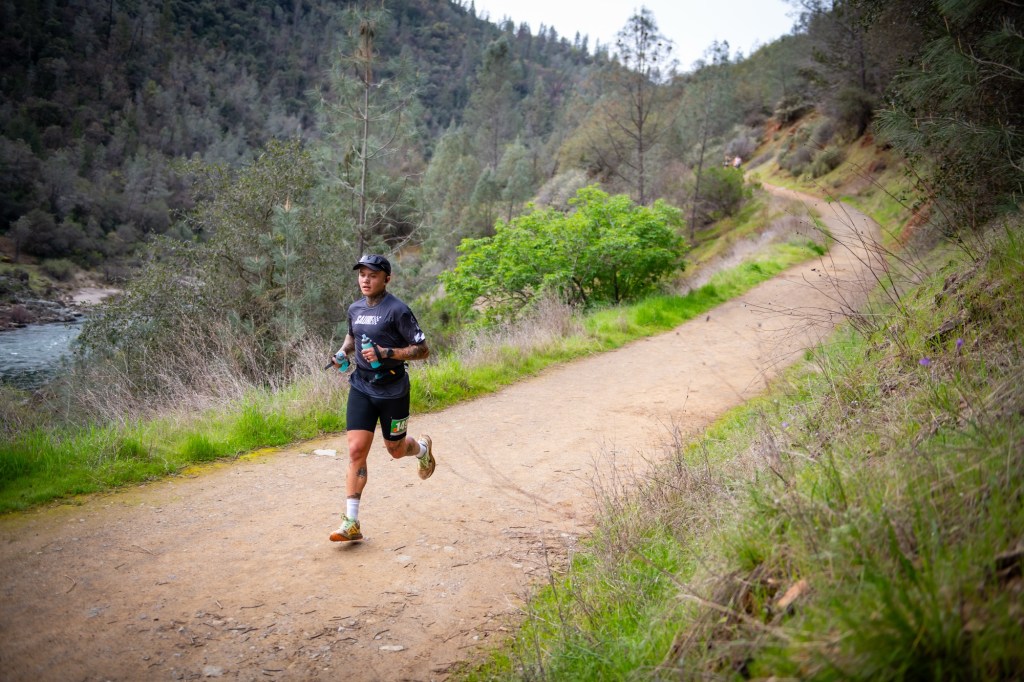
Sobriety and racing have taught me similar lessons: when systems aren’t functioning optimally, we don’t abandon the process. I’ve discovered that consistency through imperfection is the true test of commitment—both in recovery and on the trail. In early sobriety, my mind often felt foggy and my emotions unpredictable, yet showing up daily for meetings and practicing new coping mechanisms eventually yielded clarity. Similarly, running through fatigue and infection didn’t yield optimal race times, but maintaining discipline preserved my foundation.
When the feedback we receive seems off-kilter, we continue inputting quality data. The body and mind are complex systems that don’t always provide clear signals. Some days sobriety feels like a burden rather than freedom; some training runs feel like regression rather than progress. But I’ve learned to trust the process over momentary feedback. Just as I log my daily gratitude regardless of my mood, I complete my prescribed workouts even when they don’t deliver the expected endorphin rush. The consistent input of positive actions eventually recalibrates the system.

The path forward isn’t always perfect, but the journey itself holds the wisdom. Both sobriety and ultrarunning have humbled me to recognize that perfection is an illusion. The greatest growth occurs in the gaps between expectation and reality—in those moments when I must adapt, surrender, or simply endure. My most profound insights haven’t come from flawless races or easy recovery days, but from pushing through respiratory infections while still winning races, or maintaining sobriety through life’s inevitable disappointments. The wisdom isn’t waiting at some future finish line—it emerges through the daily struggle to keep moving forward despite imperfect conditions.
 Bonk and Rally
Leave a comment