Following my 50K effort at Kodiak, something within me shifted. Up until that point, trail running and ultramarathons had been a fun, restorative, and enjoyable pursuit. While there was pain and suffering involved, the experience carried a certain whimsy that comes with starting something new. I hadn’t been putting much pressure on myself beyond the general desire to compete, train, and feel good about it. I also recognized that running was supporting my early sobriety, though I wasn’t fully aware of how much at the time.
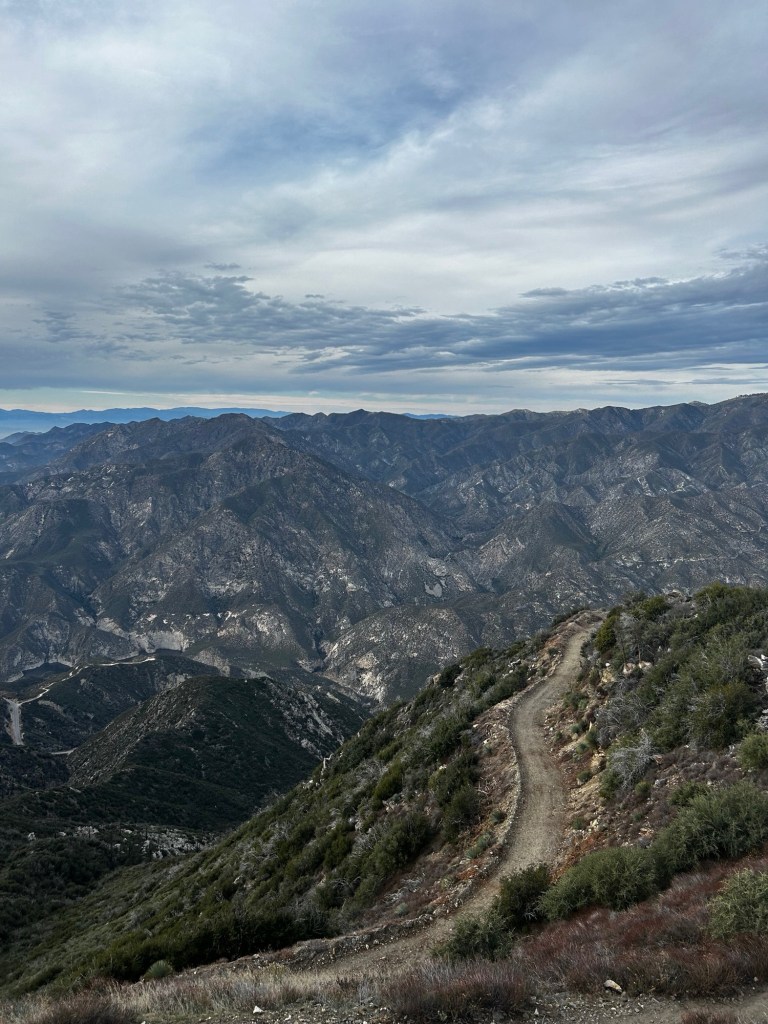
After completing the Kodiak race, I noticed a change in my perspective. I wanted to compete—not just with others, and myself. This shift marked the beginning of a transition from enjoyment to performance, awakening a sensation I hadn’t felt since my high school athletic days. The drive to achieve and the pressure I would apply to do so slid back into place like an old, familiar pair of pants. My perspective broadened, and I decided I wanted to tackle a 100K and a 100-mile race before the summer. It was late fall at this point, but with the abundance of races available, it wasn’t hard to find opportunities. I re-budgeted and signed up for the Black Canyon 100K and the Canyons 100 Miler, with the Coldwater Rumble 60K in January as a training race.
I recovered quickly from the 50K and was back to training within a week. My legs felt strong, and I began incorporating strength training once or twice a week. My runs grew longer and steeper, and my thoughts became fixated on training. Looking back at my journal entries from that time, it’s clear that training had consumed me. I started using a GPS watch more regularly, tracking every mile and vertical gain. In the tunnel vision that came with this obsession, I couldn’t see how off-balance I was.
A few weeks into this training block, I had a wake-up call. I took a big fall while outdoor bouldering, sustaining two heel bruises. The injury floored me—it felt like the rug had been pulled out from under me. I couldn’t run, and it was devastating. Looking back now, it seems dramatic, but at the time, it felt monumental. I was sidelined for just a week and a half, but it was enough to show me how mentally and emotionally dependent I’d become on running. When it was taken away, it felt like my world came crashing down. I took note of this, but regrettably, I didn’t adjust much once I was able to run again.
The rest of my training took shape as I went off feel, supplemented with some basic research on mileage, pace, and other essentials. Before I knew it, I was at the starting line in Arizona for the Coldwater Rumble. This start line felt different—I had expectations for myself, though I wasn’t sure how they would translate.
The race began under overcast skies with cool temperatures, cooler than I would have liked. As someone who tends to perform better in warmer conditions, I started the race bundled up in a long sleeve, gloves, and a thin balaclava. While this felt right at the beginning, it proved to be a mistake later on. My legs felt strong, but I was unsure how much I should push. I started mid-pack and slowly worked my way past other runners. At the first aid station around mile 5, I filled up on water, grabbed some gels, and continued on, still uncertain about fueling strategies.
As the race progressed, I began to turn up the pace. The course was a two-loop route, and as I completed the first loop, I felt confident. My energy was good, and I felt stable, like I still had a lot left in the tank. I had experienced similar feelings in previous ultras, but this time, I felt more assured.
Approaching the halfway point, something inside me ignited. It felt like a fire was burning within, and emotion began to overflow. I had experienced a “runner’s high” before, but this was different—more intense, almost primordial. Unsure of how to respond, I let my body take over, pushing myself harder than I ever had before. For about six miles, I was flying, the trail passing beneath me as my mind went blank. I was crying, overwhelmed by the intensity of the moment, yet I managed to sustain the pace. An image of a well overflowing with hot charcoal embers came to me, and I envisioned myself using those embers to fuel my drive forward.
Eventually, the intensity subsided, and I paid the price dearly. I was exhausted, with about thirteen miles still to go. I throttled back, trying to push on, but my body was growing stiff. As I passed through two more aid stations, I knew the end was near. The race started and finished just outside a NASCAR arena, and as I crested a small hill, I could see it standing out against the desert landscape. I was feeling raw and unmotivated, almost resigned to just finishing the race.
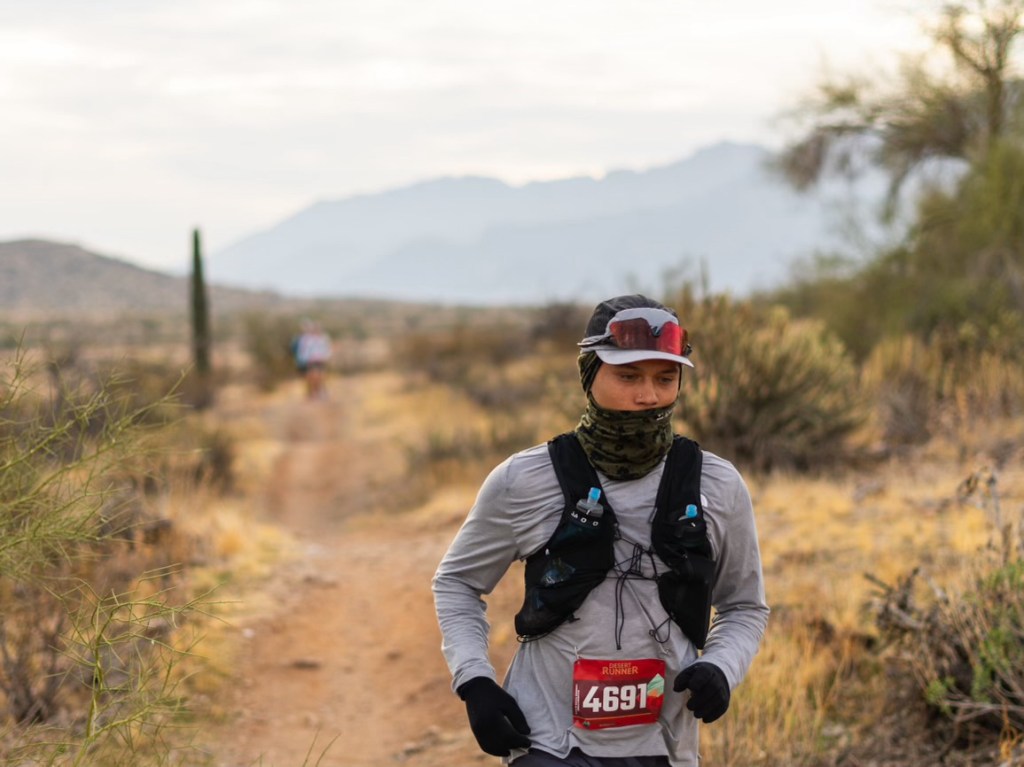
Then, something unexpected happened. The clarity and self-awareness I’ve gained through sobriety kicked in. In a third-person perspective, almost unannounced, I asked myself if this was how I wanted to finish the race. The answer was a resounding no. The image of the well returned, and the embers began to pour out once more. I started hammering, running the last leg of the race as if I were being chased. I crossed the finish line in 6 hours and 27 minutes, placing 13th. I had beaten my previous 50K time by nearly 30 minutes, even with the added 7 miles.
I was severely dehydrated, overdressed, and lacking sodium, but despite it all, I felt a deep sense of accomplishment.
 Bonk and Rally
Leave a comment